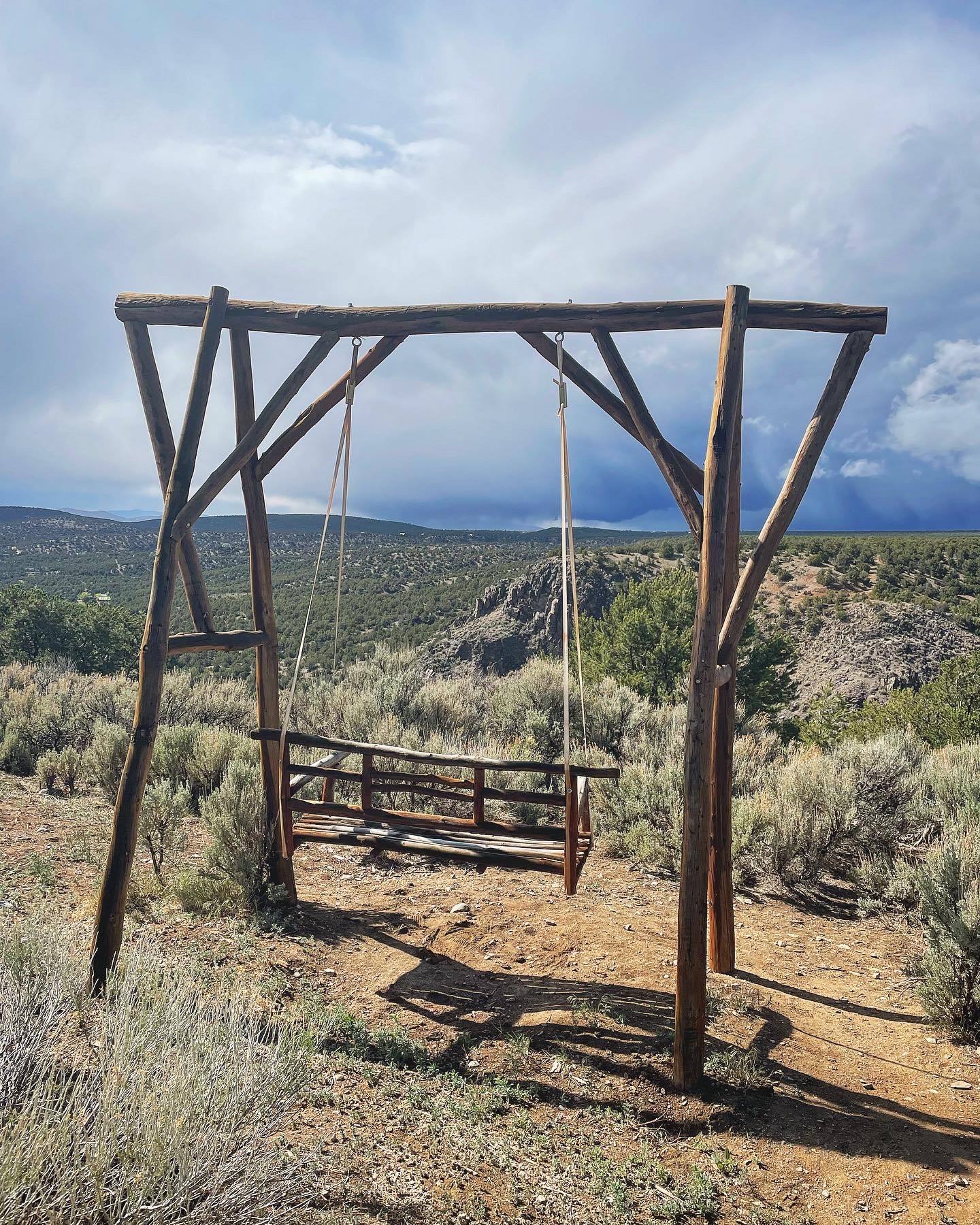
When I look at my own writing, there is a noticeable lack of my work being set in or even mentioning the hometown I lived in for eighteen years before moving to Oklahoma State University. Actually, it wasn’t until the second year of my MFA program—almost six years living in Stillwater all together—when I first started writing a story that would feature Frisco, Texas as a potential landscape for my characters to exist in. A story that soon turned into the formation of a novel in which the protagonists’ dreams take them to cities like Los Angeles and Paris among other cosmopolitan centers, far cries from the version of Frisco my characters and I grew up in prior to the late 2000s. Before I came up with The Dream Factory (can I italicize an unpublished work if it’s my own?), my stories used to be set in fantastical worlds teeming with magic and when I later traveled to large metropolises in college, New York City and London became typical sites for my musings. Much of the work I turned in for workshops during my undergraduate career could be read like love letters to places I wish I was from, but are only places I’ve only visited a handful of times. To me, both these settings offered my characters what I thought Frisco could not: a rich cultural history they could feel like they belonged to as their motivations and desires drove their stories.

My go-to fun fact about myself is normally a toss-up between my ability to literally move my ears and that I transferred to six different schools without moving once because of how many new schools were being constructed as I grew up. As of May 26, 2022, there are currently seventy-one schools in the Frisco Independent School District, which makes sense considering the city itself was declared the “Fastest-Growing City in the U.S.” multiple times. With so much growth—an experience I was fortunate enough to experience because of the benefits it has afforded me—the Frisco I first lived in is not the same one that exists right now. Furthermore, the small Texas town my parents moved to in 1989 soon became a figment of an inaccessible past bulldozed by later commercialization in the 2000s. Because of the constant moving of schools, specifically the transferring to new environments in which there were no established traditions, and because of the constant redevelopment of land, I don’t think I’ve felt inspired to write about or even within my hometown because I’ve been unable to—and unwilling to—understand its identity and my own relationship with it. As my development as a writer has continued, I can’t help but think my impulse to write from large cultural centers stemmed from a belief that where I came from, where my background was physically rooted to, would always be inferior to the well-known, majestic histories of places like New York City because in the absence of observable traditions, I believed there was no culture worth noting.
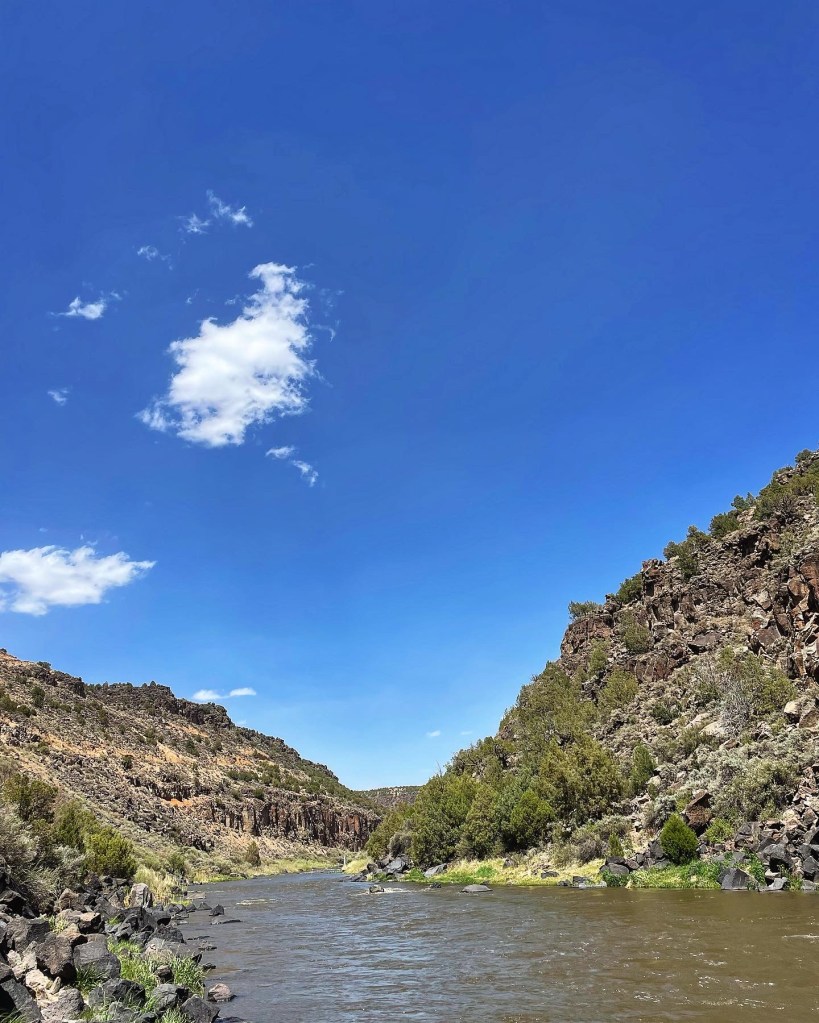
After twelve days of being in Taos, an incredible experience that spanned the works of writers from Oklahoma who found inspiration from their own sojourns to New Mexico, which further accentuated other physical activities such as attending the Santa Fe Literary Festival and hiking to Williams Lake, I’ve begun to think more about my own style of depicting a setting in the stories I write. In particular, being able to exist temporarily in a space made by the convergence of three separate cultures has made me reflect more critically on where I come from and why I’ve chosen to purposely strip it from my writing. Compared to Taos, Frisco is a flat city where everything is new and new and new—a direct contrast to the New Mexican town that seems to oppose the total dominance of a single culture. On this trip, as D.H. Lawrence and Lynn Riggs would agree, I was struck by the overwhelming beauty and culture present in a variety of spaces we’ve been to from the view at Williams Lake to walking through the Taos Plaza to participating in Indigenous food preparation practices. The first time I came to New Mexico though, which was this past February, was a vastly different experience compared to this one because it was much shorter and was geared entirely around skiing only, so there was not much time to marvel at the natural elegance of the environment on account of my falling a lot.
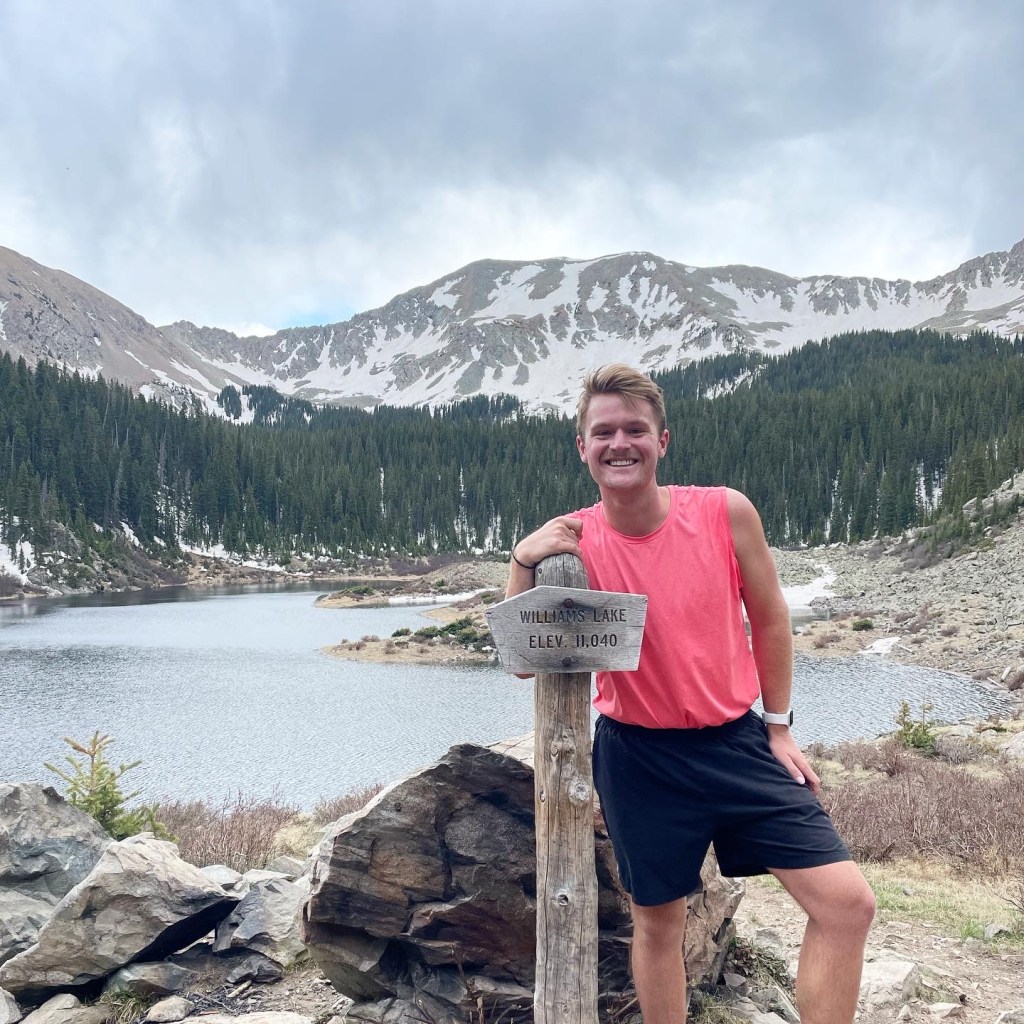
The hike to Williams Lake is a hike I’m confident I’ll always remember. Initially, I wanted to climb to the top of Wheeler Peak, a nine mile walk to the top of the tallest mountain in New Mexico, despite not wearing appropriate clothing and not having much of a history with hiking. Obviously, I wasn’t making it there, and even when I believed the hike to the lake would be easy—AllTrails loves to lie—it soon became a tumultuous journey both going up and down the trail trekking through various sinkholes of snow and climbing over fallen trees. It’s hard to believe this hike happened almost ten days ago and when I look through the pictures I took, I can’t help but be fascinated by and drawn to the wonders of this environment. Interestingly, while I have adored my time here and enjoyed the scenery, I find my own creative inspiration being drawn towards how I can reconfigure the setting and place of Frisco, Texas within my own work because of the great distance this trip has provided me from my hometown. I want to write from an environment I know, and this time, I want to be confident in my decisions to depict it.
Similarly, when Joy Harjo moved to the University of New Mexico in 1976, she was able to creatively reflect on her Oklahoman Indigenous background from a distance she had not possessed before. As demonstrated by her memoir, Crazy Brave, Harjo utilizes a variety of craft techniques to develop Oklahoma as the predominant setting through a nonlinear narrative mode of storytelling that moves across several modalities. These modalities stretch from poetic excerpts to letters to artistic definitions and together they compose a representation of Harjo’s personal, authentic relationship with where she comes from. From her conversation with Sandra Cisneros at the Santa Fe Literary Festival, Harjo asked the audience, “How can you know who you are or where you are from if you don’t get that physical and mental distance from it?” Posed like a question, this challenge for all the writers in the room reminded me of how her memoir, written from a temporal and geographic distance, possessed a method of storytelling that mirrored the distance the writer-guide felt from their background, and from this distance, the author constructs a narrative assembled by fragments to reflect their own disconnect with their culture. In Joy Harjo’s memoir, Crazy Brave, the multimodal narrative is crafted to express the writer’s journey in recovering her own story from the traumas of her physical past.
 This Is Adam's World