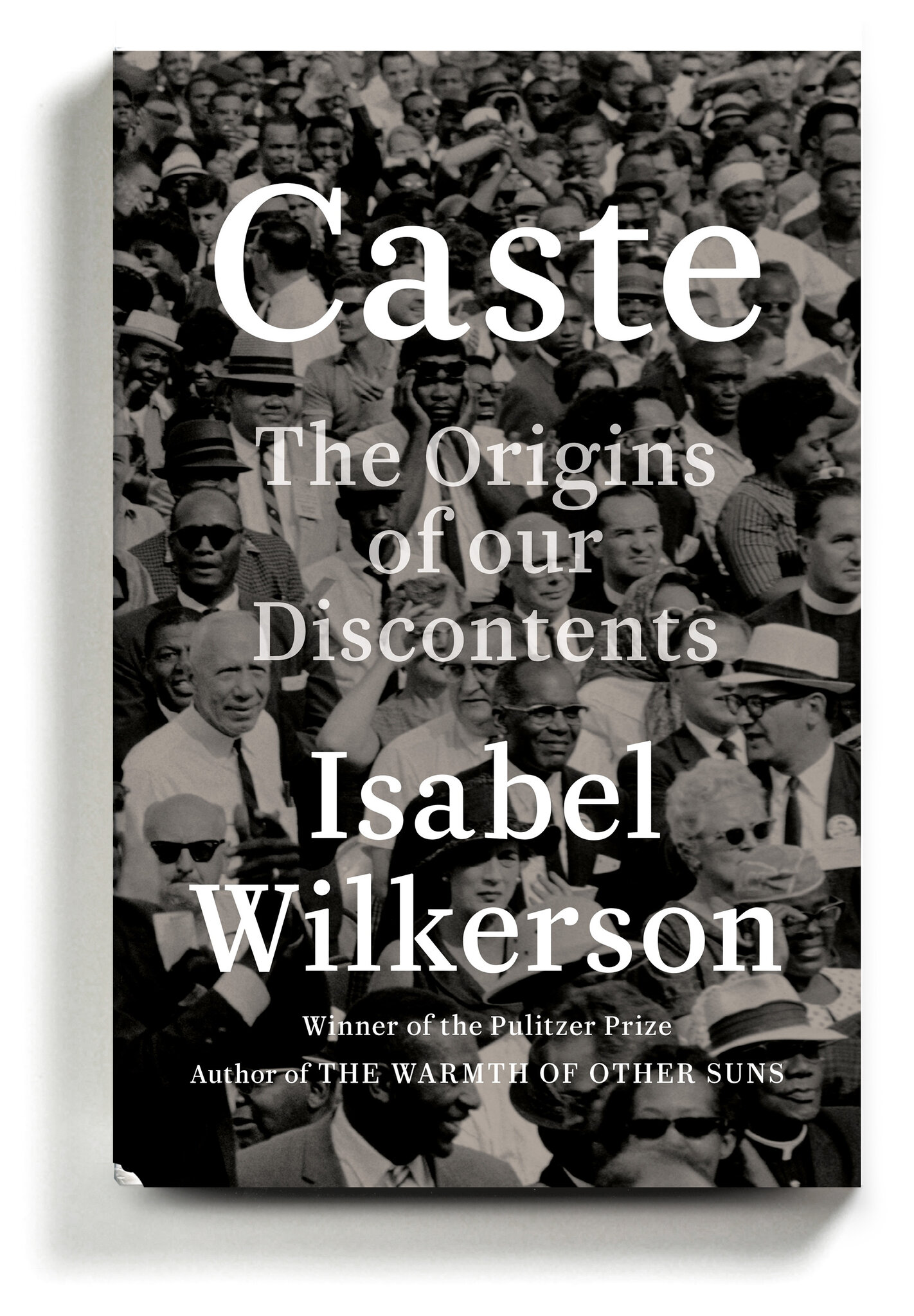
Caste: The Origins of Our Discontents, by Isabel Wilkerson, begins with a metaphor comparing the unnatural heat wave that struck the Yamal Peninsula to the heated election occurring in the United States of America in 2016 between Donald Trump and Hillary Clinton. The author uses this metaphor because the former event resulted in deadly pathogens being reawakened by the melting of permafrost that once contained them, which she connects to the seeds of outright racism that seemed to re-propagate when Donald Trump announced his intention to run for the Oval Office on a campaign trail that stoked racial anxieties and further heightened the American white man’s sense of entitlement. Wilkerson next compares the US to an old house that will never stop having issues due to old age and desires for modernization, but makes it clear that it is an old house that refuses to be abandoned or left as it was. Within this old house and within this country, the author makes it known that America—despite people refusing to acknowledge its existence—has a social system that operates like a caste system that is ran by racial codes.

Similar to Nazi Germany’s caste system and India’s current one, Wilkerson sets out to write a book exploring how America’s race-based caste system is one that exists under the surface because it’s easier to maintain its existence if it’s not easily noticed. Before she provides examples of how our caste system operates, Wilkerson provides eight pillars or tenets that society depends on to explain their reliance on a caste system: Divine Will and the Laws of Nature, Heritability, Endogamy and the Control of Marriage and Mating, Purity vs Pollution, Occupational Hierarchy, Dehumanization and Stigma, Terror as Enforcement and Cruelty as a Means of Control, and Inherent Superiority vs Inherent Inferiority. All of these aspects are tools that are used to ensure the continuation of caste systems that preserve a hierarchical position for the few in a given society and demonize those deemed lesser than.
Using many culture’s implementations of caste systems, Isabel Wilkerson contributes to the racial discourse surrounding the Tulsa Race Massacre in her chapter, “The Urgent Necessity of a Bottom Rung,” which examines how caste systems require the existence of those in the bottom-tier of society, and their difficulty in rising from their status. Wilkerson describes how “achievement by those in the lowest caste goes against the script handed down” generations because “the greatest threat to a caste system is not lower-caste failure…but lower-caste success” (224) to provide some sense of reasoning for the tragedy. The Tulsa Race Massacre occurred amid a wave of anti-Black demonstrations across the US because the Black community made several successful attempts elevating themselves from the position they found themselves in after the Civil War and Reconstruction. But as Wilkerson points out, when marginalized people “step outside the roles expected of them” then it “puts things out of order and triggers primeval and often violent backlash” from those terrified to be treated with the same lack of compassion they once demonstrated. There will never be a sufficient reason nor acceptable explanation as to why the massacre in Tulsa happened, but Caste tries to analyze the societal ills that may have contributed to that awful day. Throughout this book, Wilkerson points out how America’s reliance on this race-based system has actually forced society to not advance as much as it could because entire groups in the society are being denied the same avenues for success as the white man at the top.

I read this book for Black History Month this year, and I have yet to stop thinking about it. It is richly detailed and exhaustively researched, which exposed me to truths about American history I had not considered before reading this book. I highly recommend that everyone read this book because you will walk away from it more educated than when you started it.
 This Is Adam's World